




 +91 98849 45900
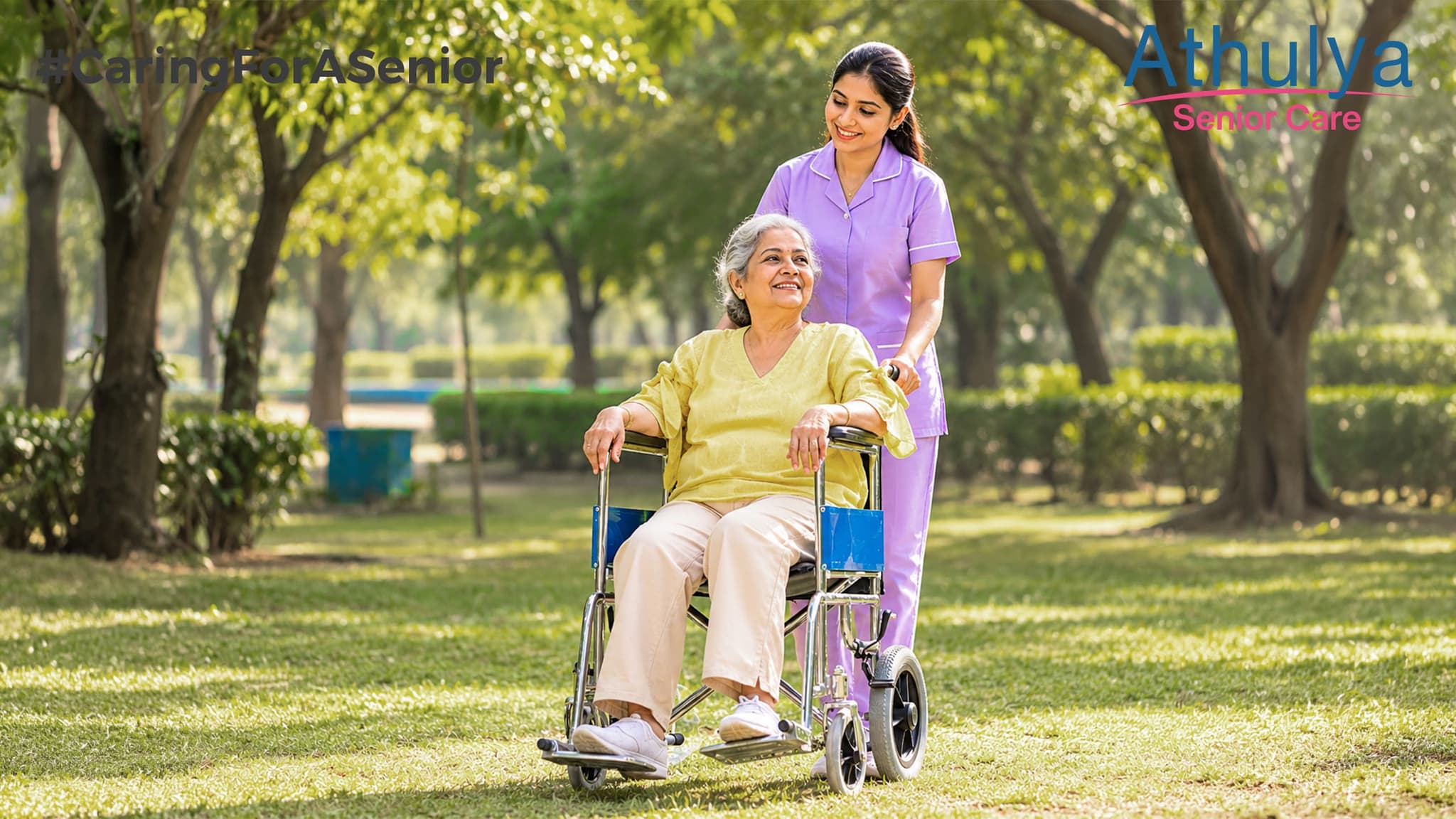
From ICU to Independence: How Transition Care Supports Bypass Surgery Patients
Heart bypass surgery is a life-saving procedure that helps restore healthy blood flow to the heart. While the surgery itself is a major milestone, the recovery journey that follows is equally important—especially for older adults. For seniors, recovery does not end when they leave the Intensive Care Unit (ICU) or get discharged from the hospital. They often require structured support, medical supervision, rehabilitation, and assistance with daily activities to regain their strength and independence.
This is where Post-Hospital Care for Seniors plays a critical role. Transition care bridges the gap between hospital treatment and returning home, ensuring seniors recover safely and confidently after bypass surgery.
Understanding Recovery After Bypass Surgery
Coronary Artery Bypass Grafting (CABG), commonly known as bypass surgery, is performed to improve blood flow to the heart. After surgery, patients spend time in the ICU for close monitoring before being moved to a regular hospital room. While they may be medically stable at discharge, many seniors continue to experience fatigue, reduced mobility, pain, breathing difficulties, and emotional stress.
Recovery can take several weeks or even months, depending on the patient's age, overall health, and the presence of other medical conditions. During this period, professional Post-Hospital Recovery Care can significantly improve recovery outcomes and reduce the risk of complications.
What Is Transition Care?
Transition care refers to short-term, specialized care provided after a hospital stay. It is designed to help patients recover safely before they return to their normal routines. For seniors recovering from bypass surgery, transition care offers medical monitoring, rehabilitation, nutritional support, and assistance with daily activities.
Rather than moving directly from the hospital to home, many older adults benefit from stepdown hospital care for elders, where they receive continuous support in a structured environment while rebuilding their strength and confidence.
Why Seniors Need Additional Support After ICU Discharge
The period immediately following ICU discharge can be challenging. Although a patient may no longer require intensive monitoring, they still need ongoing care and supervision.
Some common challenges include:
- Difficulty walking or moving independently
- Weakness and fatigue
- Medication management
- Surgical wound care
- Reduced appetite
- Breathing discomfort
- Sleep disturbances
- Anxiety and emotional stress
Without proper support, these issues can slow recovery and increase the likelihood of hospital readmissions.
How Post-Hospital Care Supports Recovery
Continuous Medical Monitoring
After bypass surgery, seniors require regular monitoring to ensure their recovery is progressing as expected. Healthcare professionals track vital signs, manage medications, monitor surgical wounds, and identify potential complications early.
This level of supervision provides reassurance for both patients and families while supporting safer recovery.
Rehabilitation and Mobility Support
Physical activity is an important part of cardiac recovery. However, seniors need a carefully planned rehabilitation program that matches their individual health condition.
Through guided physiotherapy and mobility training, patients gradually improve their strength, balance, and endurance. Structured rehabilitation also helps reduce the risk of falls and promotes faster recovery.
Medication Management
Many bypass surgery patients are prescribed multiple medications, including blood thinners, heart medications, and pain management drugs. Missing doses or taking medications incorrectly can affect recovery.
Professional caregivers ensure medications are administered correctly and according to the prescribed schedule.
Also Read: Is Arthritis Limiting Your Parent’s Mobility? How Premium Senior Care Supports Seniors with Arthritis
Nutritional Support
A heart-healthy diet plays a vital role in recovery. Seniors recovering from bypass surgery often require meals that support healing while helping manage cholesterol levels, blood pressure, and overall heart health.
Balanced nutrition supports tissue repair, improves energy levels, and contributes to long-term cardiovascular wellness.
Emotional and Psychological Support
Recovery is not only physical. Many seniors experience anxiety, fear, or frustration during the healing process. Being away from familiar surroundings, dealing with physical limitations, and adjusting to lifestyle changes can affect emotional well-being.
Supportive care environments encourage social interaction, provide companionship, and help seniors maintain a positive outlook throughout recovery.
Benefits of Stepdown Hospital Care for Elders
For many families, caring for a loved one immediately after bypass surgery can be overwhelming. Stepdown hospital care for elders offers a safe and supportive environment where recovery is closely supervised.
Some key benefits include:
- 24/7 nursing support
- Regular medical assessments
- Personalized rehabilitation programs
- Nutritional guidance
- Reduced risk of complications
- Lower chances of hospital readmission
- Improved confidence and independence
This intermediate level of care allows seniors to recover at their own pace while receiving professional support whenever needed.
Signs That a Senior May Need Post-Hospital Recovery Care
Families should consider professional recovery support if their loved one:
- Has difficulty walking independently
- Requires assistance with daily activities
- Lives alone
- Has multiple health conditions
- Needs regular medical monitoring
- Is recovering slowly after surgery
- Requires physiotherapy or rehabilitation
In such situations, specialized Post-Hospital Care for Seniors can provide the additional support needed for a smoother recovery.
How Athulya Senior Care Supports Bypass Surgery Recovery
At Athulya Senior Care, recovery extends beyond medical supervision. Seniors recovering from bypass surgery receive personalized care plans designed to support physical, emotional, and overall well-being.
Services may include:
- Professional nursing care
- Regular health monitoring
- Medication management
- Physiotherapy and rehabilitation support
- Nutritionally balanced meals
- Assistance with daily activities
- Comfortable recovery-focused environments
By providing comprehensive Post-Hospital Recovery Care, Athulya Senior Care helps seniors regain confidence, improve mobility, and transition safely from hospital care to independent living.
Conclusion
Bypass surgery is only the first step toward better heart health. A successful recovery requires ongoing care, rehabilitation, and support. Transition care serves as an essential bridge between hospital treatment and independent living, helping seniors heal safely while improving their quality of life. For families seeking professional recovery support, Athulya Senior Care offers a compassionate and comprehensive approach that prioritizes both recovery and long-term well-being.
Frequently Asked Questions
Why is post-hospital care important for seniors after heart surgery?
Post-hospital care helps seniors manage medications, monitor recovery, receive rehabilitation support, and reduce the risk of complications or hospital readmissions.
When should a senior move to transition care after bypass surgery?
Transition care is typically recommended after hospital discharge when ongoing monitoring, rehabilitation, or assistance with daily activities is still required.
Can post-hospital care reduce hospital readmissions?
Yes. Professional monitoring and rehabilitation can help identify potential health issues early and reduce the likelihood of readmission.
Is physiotherapy necessary after bypass surgery?
Physiotherapy helps improve mobility, build strength, enhance cardiovascular health, and support a smoother recovery process.
What kind of diet is recommended after bypass surgery?
A heart-healthy diet typically includes fruits, vegetables, whole grains, lean proteins, and foods low in saturated fat, salt, and added sugar.


© Copyright 2026 Athulya Senior Care - All Rights Reserved
Who We Are
© Copyright 2026 Athulya Senior Care - All Rights Reserved
