




 +91 98849 45900
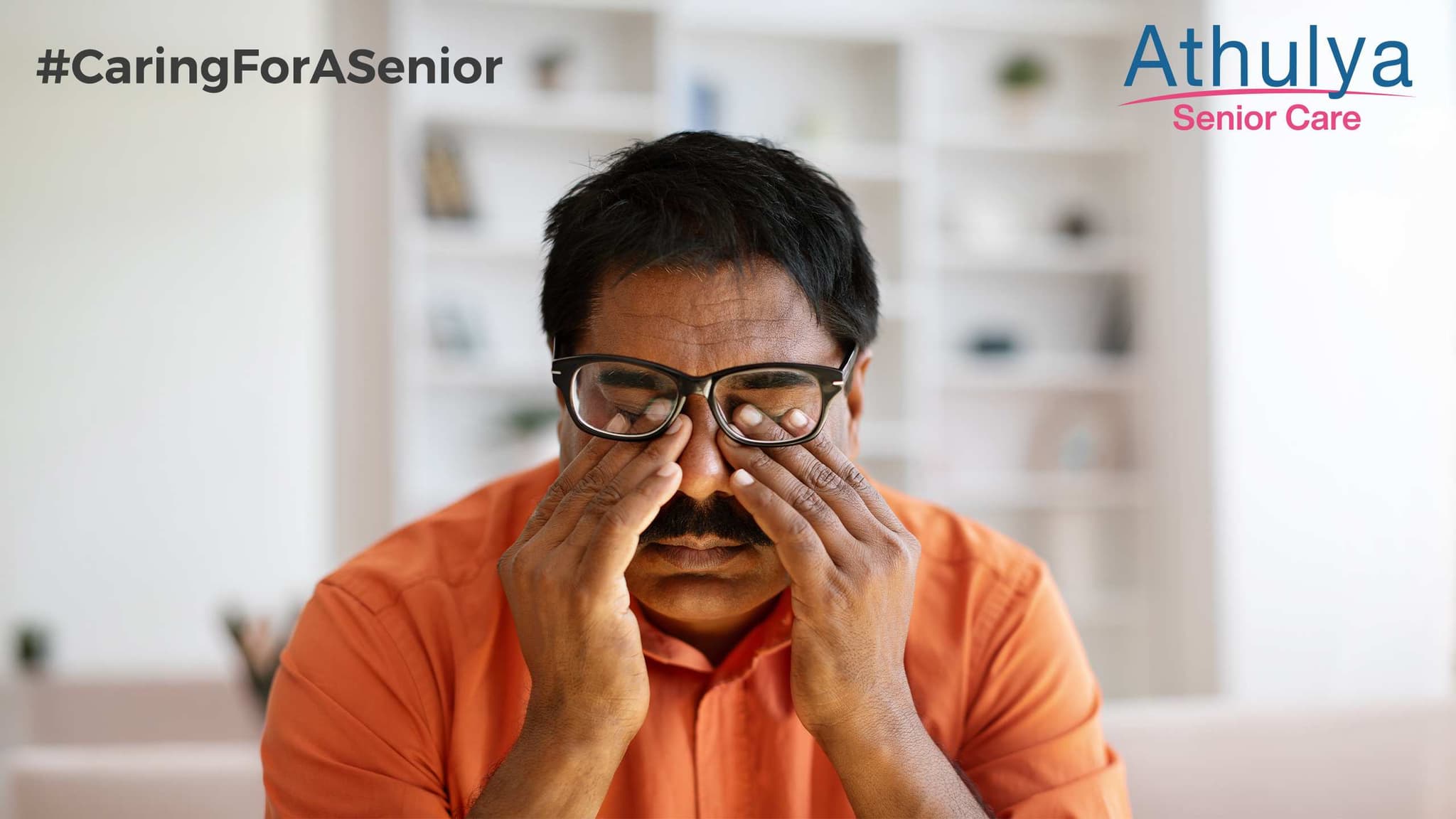
Conjunctivitis Outbreak in Chennai: Simple Safety Tips for Seniors
Chennai's humid climate and densely populated neighborhoods create favorable conditions for eye infections to spread quickly. Conjunctivitis, also known as “Pink Eye,” has been a recurring concern in the city, especially during seasonal changes. For seniors living in Chennai, understanding how to stay protected is not just helpful; it is essential. This guide walks you through everything you need to know, from symptoms to treatment and prevention.
What Is Conjunctivitis and Why Are Seniors More Vulnerable?
Conjunctivitis is the inflammation of the conjunctiva, the thin transparent layer covering the white part of the eye and the inner surface of the eyelids. It may develop due to viral infections, bacterial infections, or allergies. Viral and bacterial conjunctivitis are highly contagious and can spread quickly in shared living environments.
In communities such as a premium old age home in Chennai, maintaining proper hygiene practices, regular health monitoring, and timely medical attention can significantly reduce the risk of infection among seniors.
Older adults are generally more vulnerable to conjunctivitis because of several age-related factors:
- Lower immunity levels: Aging naturally weakens the body's immune response, making infections more common.
- Reduced tear production: Dry eyes in seniors can make it easier for bacteria and viruses to affect the eyes.
- Chronic health conditions: Conditions such as diabetes, hypertension, and autoimmune disorders may increase susceptibility to infections.
- Medication side effects: Certain medications can reduce immunity or contribute to eye dryness.
- Shared living environments: Seniors living in community settings may have a higher chance of exposure during outbreaks.
- Delayed symptom recognition: Early signs of infection are sometimes mistaken for normal eye strain or age-related discomfort.
What Are the Common Symptoms of Conjunctivitis in Older Adults?
Early detection of symptoms can help in stopping the infection from getting worse or even infecting others. Symptoms will be less pronounced in older patients compared to younger patients.
Typical symptoms are:
- Redness and pinkish discoloration of the eye(s)
- Eye discharge, which can be watery or thick; yellow or green discharge signals a bacterial infection
- Crusty eyelids, particularly upon waking
- Irritation, burning, or grittiness in the eyes
- Light sensitivity (photophobia)
- Hazy vision in certain situations
- Swelling of the eyelids
When to seek immediate medical attention:
- Severe pain in the eyes or alteration in vision
- Increased discomfort after two days even when following self-care
- High body temperature along with eye issues
- The elderly individual has diabetes or an impaired immune system and shows eye redness
How Does Conjunctivitis Spread and How Can Seniors Prevent It?
The first step in prevention is understanding the modes of transmission.
Methods of spread:
- Physical contact: Contact with eye secretion from an infected person
- Indirect contact: Touching an object that has been contaminated by a sick person such as door handles, towels, glasses, etc., and then touching one’s own eyes
- Droplet transmission: For viral conjunctivitis, droplets may act as an agent when a nearby sick person sneezes or coughs
- Sharing things: Towels, pillowcases, eye drops, make-up, etc.
Also Read: The Impact of Climate Change on Senior Health
Some tips on how seniors can prevent the spread:
- Frequent hand washing with soap and water for 20 seconds
- Avoidance of touching eyes with unwashed hands
- Using individual towels, pillowcases, and washcloths
- Discarding old eye drops and not using shared eye drops
- Disinfection of glasses with a sanitizer wipe
- Staying away from public places during local outbreaks
- Wearing wrap-around sunglasses in case one needs to go out
- Keeping face clean and using a clean cotton swab to remove eye discharge
- Changing pillowcases and bed linens often during local outbreaks
What Are the Treatment Options for Conjunctivitis in Seniors?
The treatment will depend on the type of conjunctivitis. It is highly recommended that one sees a doctor before taking any medications, particularly in elderly patients who are already on various medications.
1. Viral Conjunctivitis
This is the most prevalent form when there is an outbreak and is brought about by either the adenovirus or herpes virus. There is no special antiviral treatment for most cases. Management involves:
- Applying either cold or warm compresses to ease symptoms
- Artificial tear drops without preservatives to lubricate the eyes
- Maintaining hygiene by cleaning the eyes through wiping of discharge
- Viral infections should clear up after 7-14 days.
2. Bacterial Conjunctivitis
- Prescribed antibiotic eye drops or ointments are the usual treatment
- Generally, symptoms disappear after three to five days of administering antibiotics
- Taking the prescribed dose for the entire duration of treatment despite improvement in symptoms
3. Allergic Conjunctivitis
- Prescribed antihistamine eye drops and oral antihistamine drugs can help relieve symptoms
- It is essential to identify the allergen and avoid it (e.g., dust, pollen, pet fur)
- Cold compresses and artificial tears are recommended
How Can Caregivers Help Seniors Manage Conjunctivitis Safely?
The role of caregivers in prevention and treatment is extremely important. At Athulya Senior Care, caregivers are trained to support seniors with proper hygiene, timely care, and medical assistance, whether at home or in a residential care facility.
Personal hygiene and isolation:
- Maintain personal hygiene: wash your hands before and after caring for eye health
- If necessary, use gloves while removing the discharge from the eyes
- Separate infected individuals from other residents during the contagious stage
- Daily disinfection of items touched often — such as bedrails, call buttons, light switches
Assistance with eye care:
- Help the senior use the medication as directed by their healthcare providers (head tilted backward, gently pulling the lower lid)
- Carefully remove discharge by wetting a new cotton ball with cool boiled water and cleaning the eyelid from the inside out
- Do not reuse cotton balls
- Emphasize to seniors that rubbing their eyes is not allowed
Observation and effective communication:
- Daily record symptoms and monitor their progression
- Communicate clearly with the senior’s healthcare provider or ophthalmologist
- Be alert for possible secondary conditions — corneal involvement, severe pain, loss of sight
- Seniors may feel anxious because of eye discomfort; reassure them, as some of them may have problems with sight
Common Questions About Conjunctivitis in Elderly People
What is conjunctivitis and why is it common in Chennai?
Conjunctivitis is an eye infection that spreads quickly during seasonal changes in Chennai due to humidity and crowded environments.
Are seniors more vulnerable to conjunctivitis?
Yes. Seniors may have weaker immunity, dry eyes, or chronic health conditions that increase the risk of infection and complications.
What are the symptoms of conjunctivitis in elderly people?
Common symptoms include red eyes, itching, watery discharge, burning sensation, swollen eyelids, and sensitivity to light.
What is the best treatment for conjunctivitis in seniors?
Treatment depends on whether the infection is viral, bacterial, or allergic. Doctors may recommend eye drops, cold compresses, or medications.
How do caregivers help seniors during a conjunctivitis outbreak?
Caregivers help maintain hygiene, administer medications, monitor symptoms, and reduce the spread of infection among seniors.





© Copyright 2026 Athulya Senior Care - All Rights Reserved
Who We Are
© Copyright 2026 Athulya Senior Care - All Rights Reserved
