



 +91 98849 45900

Top 5 Benefits of Moving to an Elder Care Home
Aging brings changes in physical health, mobility, and daily living needs. While many older adults prefer to remain in their own homes, some may eventually require additional support with personal care, healthcare management, and everyday activities. For families balancing work and caregiving responsibilities, meeting these needs at home can sometimes become challenging.
An elder care home offers a supportive living environment where seniors can receive assistance with daily routines, opportunities for social interaction, and care suited to their individual needs. With the right facilities and trained caregivers, an elder care home can help older adults maintain their dignity, independence, and quality of life.
Understanding the benefits of an elder care home can help seniors and their families make an informed decision about long-term care.
1. Personalised Care and Assistance with Daily Activities
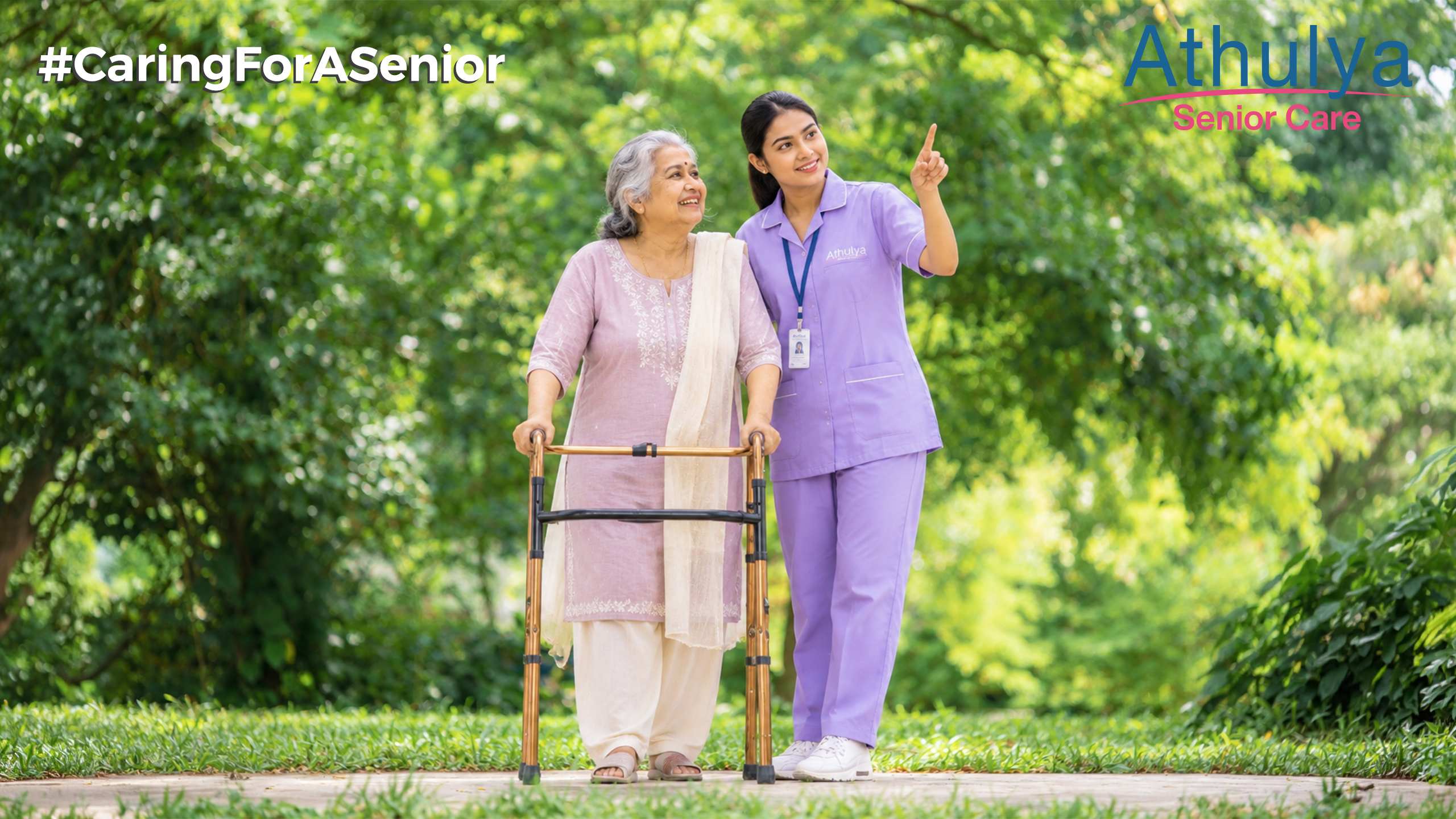
As people grow older, everyday tasks such as bathing, dressing, walking, and preparing meals may become difficult. An elder care home provides assistance according to each resident’s health conditions, mobility, and level of independence.
Key benefits include:
- Personal hygiene
- Dressing assistance
- Mobility support
- Individualised care
- Daily routines
- Independent living
This approach helps seniors receive the right level of assistance while preserving their dignity and confidence.
2. Healthcare Support and Regular Monitoring
Older adults may live with chronic conditions such as diabetes, hypertension, arthritis, and heart disease. Managing these conditions may require regular medical reviews, medication support, and timely attention to changes in health.
Depending on the services available, an elder care home may offer:
- Health monitoring
- Medication management
- Medical consultations
- Emergency assistance
- Hospital coordination
- Rehabilitation services
Families should check whether a facility provides on-site medical professionals, nursing care, emergency support, and specialist consultations, as these services vary between facilities.
3. Companionship and Emotional Well-Being
Social connections play an important role in healthy aging. Seniors who live alone or have limited opportunities to interact with others may experience loneliness and social isolation. An elder care home can provide opportunities to develop friendships and participate in shared experiences.
Residents may benefit from:
- Social interaction
- Meaningful friendships
- Group activities
- Emotional support
- Community belonging
- Reduced isolation
Meaningful social engagement can support emotional well-being and make everyday life more enjoyable.
4. A Safe and Accessible Living Environment
Age-related changes in balance, vision, muscle strength, and mobility can increase the risk of falls and injuries. A well-maintained elder care home can provide an environment designed to address these challenges.
Important features may include:
- Accessible spaces
- Non-slip flooring
- Handrails and ramps
- Mobility assistance
- Emergency preparedness
- Nutritious meals
- Personal supervision
Before choosing a facility, families should assess its cleanliness, accessibility, staffing arrangements, emergency response procedures, and suitability for the senior’s specific needs.
Also Read: Common Dental Problems in Seniors and How to Prevent Them: A Complete Care Guide
5. Active Aging and Meaningful Activities
Moving to an elder care home does not mean giving up hobbies, interests, or opportunities to learn. A supportive environment can encourage seniors to remain engaged in activities that suit their abilities and preferences.
Common activities may include:
- Gentle exercises
- Yoga and stretching
- Arts and crafts
- Music and dance
- Gardening
- Reading and puzzles
- Cultural celebrations
- Group games
- Creative activities
Such opportunities can help seniors maintain social connections, exercise their abilities, and enjoy a meaningful daily routine.
How to Choose the Right Elder Care Home
Selecting an elder care home requires careful consideration of the senior’s preferences, care requirements, and available services. Families can use the following checklist when evaluating their options:
- Care services: Confirm whether the facility can meet the senior’s current and anticipated care needs.
- Staff qualifications: Ask about caregiver training, nursing support, staffing levels, and availability.
- Medical facilities: Understand how routine consultations, emergencies, hospital transfers, and medication management are handled.
- Living arrangements: Check room comfort, hygiene, accessibility, food quality, and privacy.
- Activities and social engagement: Review the daily schedule and opportunities for recreation and companionship.
- Costs and policies: Clarify fees, additional charges, visiting hours, and admission or discharge procedures.
- Resident and family feedback: Speak with residents or their families, where possible, to understand their experiences.
Conclusion
An elder care home can provide valuable support to seniors through personalised assistance, healthcare coordination, social interaction, a safe living environment, and opportunities for active aging. The right choice depends on the senior’s health, level of independence, personal preferences, and the quality of care available.
Choosing the right elder care home is about more than finding a place to live. It is about ensuring that older adults receive respectful care, maintain meaningful relationships, and continue to enjoy life with dignity and comfort.
Providers such as Athulya Senior Care illustrate the range of options families can explore, from assisted living to rehabilitation and home healthcare. Understanding these options can help families identify an appropriate care arrangement that respects their loved one’s dignity, supports their well-being, and makes everyday life more comfortable.
Frequently Asked Questions
What are the benefits of moving to an elder care home?
An elder care home offers personalised care, healthcare support, companionship, a safe environment, and opportunities for active aging.
How does an elder care home support seniors with daily activities?
Caregivers assist seniors with bathing, dressing, mobility, personal hygiene, and other everyday routines.
Do elder care homes provide medical support for seniors?
Depending on the facility, services may include health monitoring, medication management, nursing assistance, and medical consultations.
How do elder care homes help reduce loneliness among seniors?
They encourage social interaction through group activities, shared experiences, friendships, and recreational programmes.
Are elder care homes suitable for seniors who can live independently?
Yes, seniors who need minimal assistance can benefit from companionship, accessible facilities, and a supportive living environment.
What activities are available in an elder care home?
Activities may include yoga, gentle exercises, music, gardening, arts and crafts, reading, and group games.





© Copyright 2026 Athulya Senior Care - All Rights Reserved
Who We Are
© Copyright 2026 Athulya Senior Care - All Rights Reserved
