




 +91 98849 45900

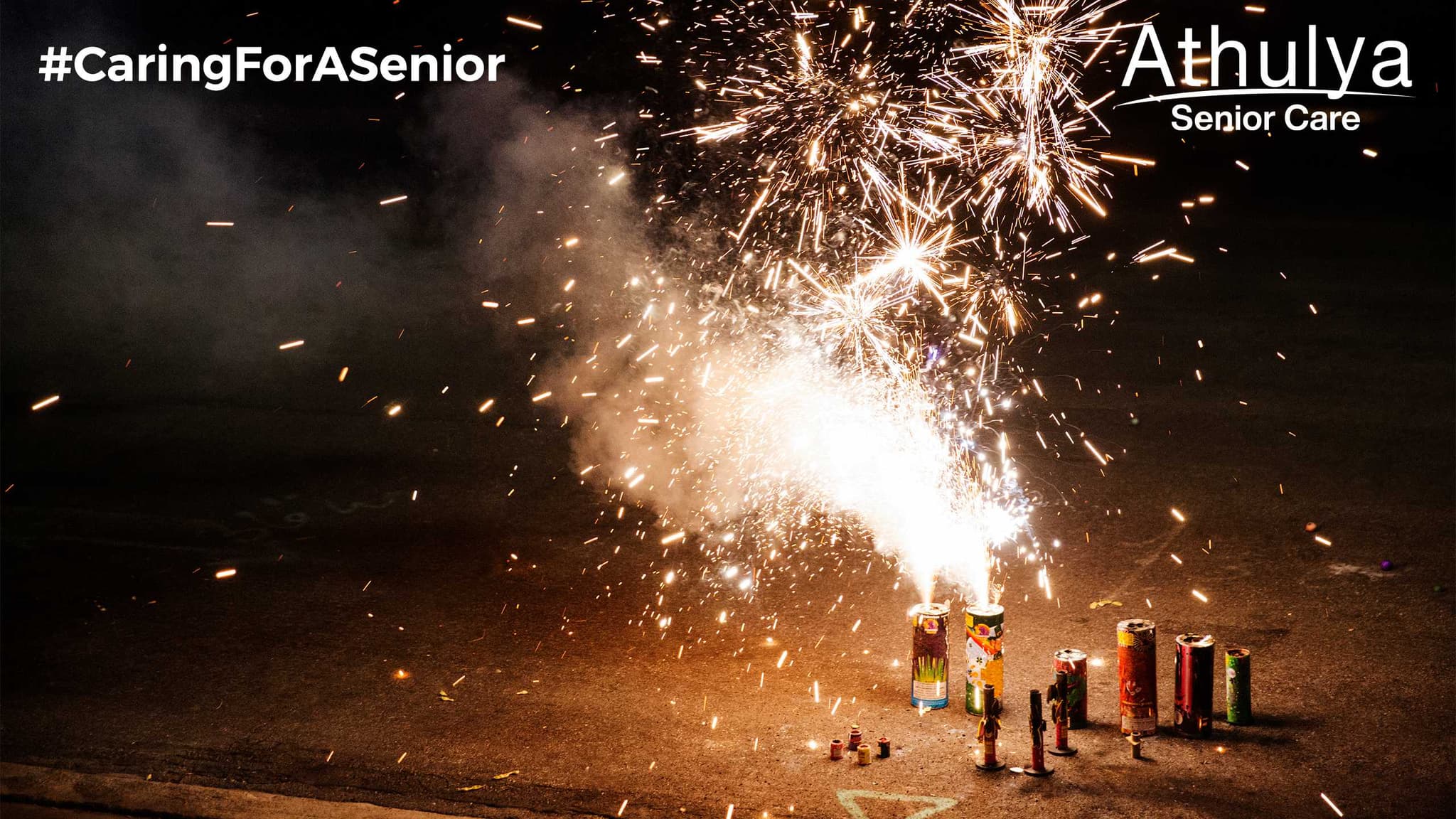
Post-Diwali Air Pollution: Respiratory Care Tips for Senior Citizens
Diwali celebrations often leave behind increased air pollution due to firecrackers, smoke, and suspended particulate matter. While poor air quality can affect people of all age groups, senior citizens are particularly vulnerable to its effects. Age-related changes in lung function, reduced immunity, and existing health conditions can make it difficult for older adults to cope with increased pollution levels.
Exposure to polluted air can cause coughing, breathing difficulties, throat irritation, and worsening of existing respiratory conditions such as asthma and Chronic Obstructive Pulmonary Disease (COPD). At Athulya Senior Care, the well-being of seniors remains a priority with a focus on helping them navigate seasonal changes and environmental challenges comfortably and safely. Taking a few precautions after Diwali can help older adults protect their lungs and maintain better respiratory health.
1. Limit Outdoor Exposure During Poor Air Quality
After Diwali, air pollution levels may remain elevated for several days, depending on weather conditions and local environmental factors. Seniors should avoid unnecessary outdoor activities when pollution levels are high.
- Avoid morning and evening walks when pollution levels are elevated.
- Reschedule outdoor activities until air quality improves.
- Keep windows and doors closed during periods of heavy pollution.
2. Keep Indoor Air Clean and Healthy
Since seniors spend considerable time indoors, maintaining good indoor air quality is essential. Pollutants from outdoor smoke, dust, and household activities can also affect respiratory health.
- Use an air purifier with a HEPA filter, if available.
- Clean floors and surfaces regularly using a damp cloth to reduce dust.
- Avoid incense sticks, mosquito coils, and indoor smoke-producing products.
- Ensure proper ventilation when outdoor air quality is better.
- Keep the living environment clean and free from accumulated dust.
3. Wear a Protective Mask When Going Outside
If seniors need to step outdoors during periods of increased pollution, wearing a well-fitted N95 or equivalent respirator can help reduce exposure to harmful airborne particles. Ordinary cloth masks and surgical masks may not provide the same level of protection against fine particulate matter.
However, seniors with existing respiratory or cardiac conditions should consult their healthcare provider about mask suitability, particularly if they experience discomfort or breathing difficulties while wearing one.
4. Stay Hydrated and Follow a Balanced Diet
Adequate hydration supports normal body functions and helps maintain moisture in the respiratory tract. Seniors should drink sufficient water throughout the day, unless they have been advised to restrict fluid intake due to kidney or heart conditions.
A balanced diet containing fruits, vegetables, whole grains, and protein-rich foods also supports immune function and overall health. Foods rich in vitamins C and E, such as citrus fruits, guava, almonds, and green leafy vegetables, can contribute to a healthy diet. However, no particular food can reverse the effects of air pollution on the lungs.
5. Continue Medications for Existing Respiratory Conditions
Seniors with asthma, COPD, or other chronic respiratory conditions should be particularly careful after Diwali. Exposure to polluted air can trigger symptoms and worsen existing breathing problems.
- Continue prescribed inhalers and medications as advised.
- Keep emergency medicines easily accessible.
- Follow the respiratory care plan recommended by the doctor.
- Avoid self-medication or changing prescribed doses.
- Schedule a medical consultation if respiratory symptoms worsen.
6. Practice Gentle Breathing Exercises
Breathing exercises may help some seniors improve breathing awareness and manage respiratory discomfort. Simple techniques such as pursed-lip breathing and diaphragmatic breathing can be useful, particularly for individuals with certain chronic lung conditions.
However, exercises should be performed according to medical advice and individual physical abilities. Seniors should stop if they experience dizziness, chest discomfort, or increased breathlessness.
7. Prioritise Rest and Regular Health Monitoring
After the festive season, seniors should maintain regular sleep schedules and avoid overexertion. Families and caregivers should observe changes in breathing patterns, energy levels, appetite, and sleep quality.
For seniors with existing lung or heart conditions, regular medical follow-ups can help identify respiratory complications early and ensure timely treatment.
Conclusion
The effects of air pollution can extend beyond the festive season, making respiratory care an important part of healthy aging. Simple measures such as reducing outdoor exposure, maintaining clean indoor spaces, following prescribed treatments, and monitoring respiratory symptoms can make a meaningful difference. At Athulya Senior Care, attentive caregiving, health monitoring, and appropriate medical support help seniors manage age-related health challenges while maintaining their comfort, independence, and quality of life.
Frequently Asked Questions
Why are senior citizens more vulnerable to air pollution after Diwali?
Age-related changes in lung function, reduced immunity, and existing health conditions make seniors more sensitive to air pollution.
What are the common symptoms of air pollution exposure in older adults?
Common symptoms include coughing, throat irritation, wheezing, breathlessness, and worsening of existing respiratory conditions.
How can seniors protect their lungs from post-Diwali air pollution?
Seniors can reduce outdoor exposure, maintain clean indoor air, wear N95 masks outdoors, stay hydrated, and follow prescribed medications.
Should senior citizens avoid morning walks after Diwali?
Yes, seniors should avoid outdoor walks when pollution levels are high and resume them when air quality improves.
Which mask is suitable for seniors during high pollution levels?
A well-fitted N95 or equivalent respirator can help reduce exposure to harmful airborne particles.
How can indoor air quality be improved for elderly people after Diwali?
Using HEPA air purifiers, cleaning surfaces regularly, avoiding indoor smoke, and ventilating rooms when outdoor air is cleaner can improve indoor air quality.
Recent Posts

Post-Diwali Air Pollution: Respiratory Care Tips for Senior Citizens

Post-Hospital Physiotherapy for Seniors in Whitefield, Bangalore: Benefits and Recovery Tips

Post-Stroke Rehabilitation for Seniors in Coimbatore: A Guide for Families

Post Hospital Care for Seniors in Bangalore: Services, Benefits & Costs

© Copyright 2026 Athulya Senior Care - All Rights Reserved
Who We Are
© Copyright 2026 Athulya Senior Care - All Rights Reserved
