



 +91 98849 45900

Post-Stroke Rehabilitation for Seniors in Coimbatore: A Guide for Families
A stroke can significantly affect an older adult’s mobility, speech, memory, balance, and ability to perform everyday activities. Recovery often involves several stages of care, and rehabilitation plays an important role in helping seniors regain functional abilities and adapt to changes after a stroke.
For families, supporting a loved one after hospital treatment can be challenging, particularly when ongoing therapy and assistance with daily activities are required.
At Athulya Senior Care in Thudiyalur, Coimbatore, rehabilitation and transition care services support seniors recovering from hospitalisation, illness, and mobility-related health conditions. The focus is on providing individualised support based on each senior’s recovery needs.
Why Is Rehabilitation Important After a Stroke?
A stroke can affect different parts of the brain, resulting in varying physical and cognitive challenges. Rehabilitation helps seniors practice affected skills, develop alternative strategies, and improve their ability to manage daily activities.
Common challenges after a stroke include:
- Mobility
- Weakness
- Speech
- Swallowing
- Coordination
- Memory
The rehabilitation process depends on the severity of the stroke, the senior’s overall health, and their individual recovery goals. Progress varies from person to person, and improvements may continue for months or longer.
Types of Rehabilitation Care for Seniors After a Stroke
Effective Rehabilitation Care for Seniors often involves a combination of therapies tailored to the individual's needs. A healthcare team assesses the senior's condition and recommends appropriate interventions.
Physiotherapy
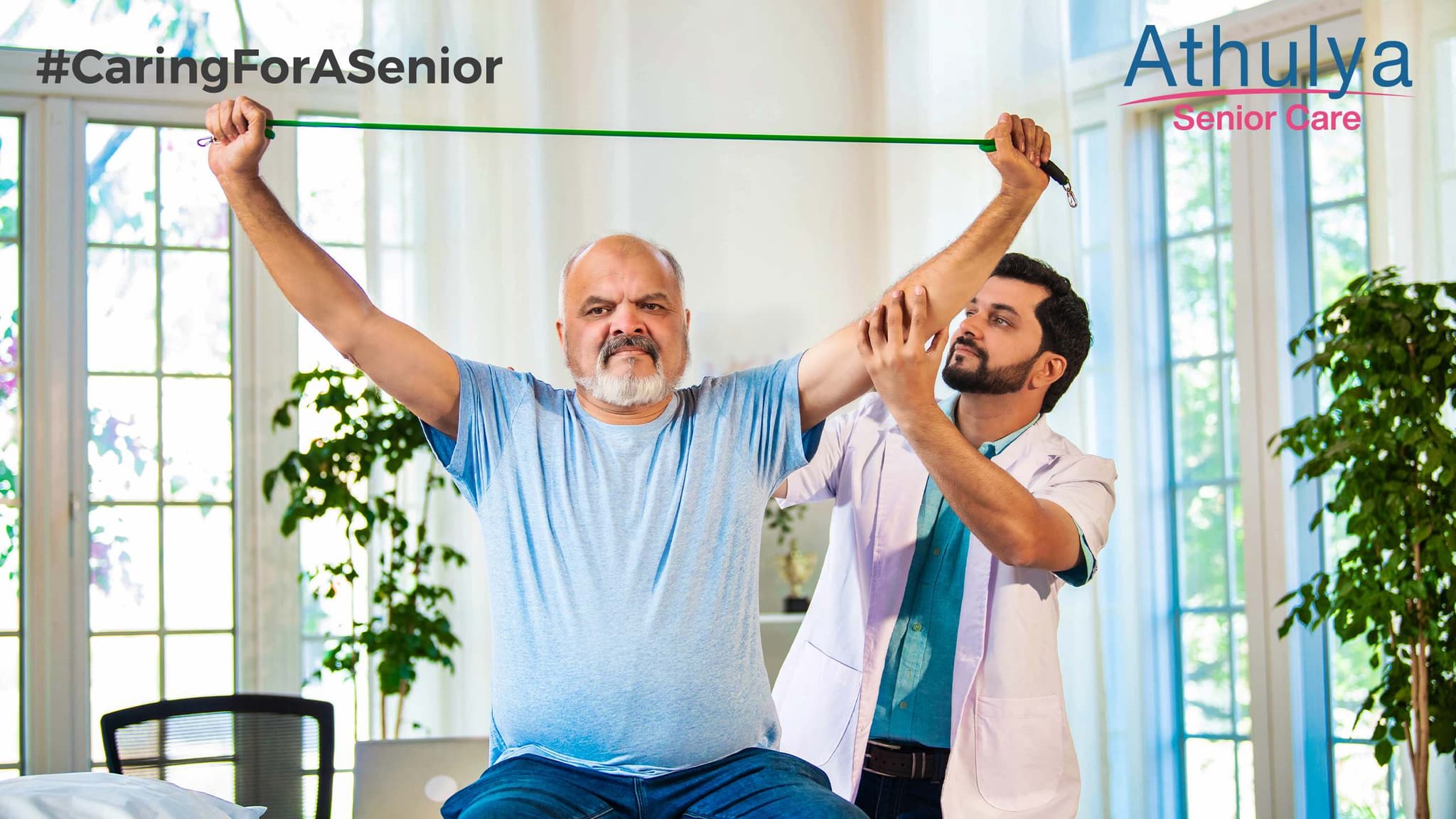
Physiotherapy focuses on improving movement, strength, balance, and physical function.
- Muscle strengthening
- Balance training
- Walking practice
- Mobility exercises
- Fall prevention
Occupational Therapy
Occupational therapy helps seniors regain the skills needed to manage everyday activities as independently as possible.
- Dressing and grooming
- Eating and personal care
- Hand coordination
- Daily task practice
- Home safety adaptations
Speech and Swallowing Therapy
Some stroke survivors experience difficulties communicating or swallowing. Assessment by an appropriately qualified speech and language therapist can help identify suitable interventions.
- Speech practice
- Language exercises
- Communication strategies
- Swallowing assessment
- Safe eating guidance
Psychological and Cognitive Support
A stroke can also affect memory, concentration, mood, and emotional well-being. Appropriate support can help seniors and families manage these changes.
- Cognitive exercises
- Emotional support
- Attention training
- Memory strategies
- Family guidance
The combination and intensity of therapies should be determined by the rehabilitation team according to the senior’s medical condition and tolerance.
When Should Families Consider Professional Post-Stroke Care?
After hospital discharge, some seniors need more support than family members can comfortably provide at home. Professional Post Stroke Care for Seniors may be appropriate when rehabilitation, nursing assistance, or supervision is required.
Families should consider additional support when a senior experiences:
- Mobility difficulties: Needs assistance standing, walking, or transferring
- Personal care needs: Requires help bathing, dressing, or eating
- Ongoing therapy: Needs regular supervised rehabilitation sessions
- Safety concerns: Has a high risk of falls or other accidents
- Medical needs: Requires nursing assistance or monitoring
- Caregiver strain: Needs more support than family members can consistently provide
Depending on the senior’s condition, options may include outpatient therapy, home-based rehabilitation, or a structured rehabilitation and transition care facility. A treating doctor and rehabilitation team can help determine the most suitable arrangement.
Also Read: From ICU to Independence: How Transition Care Supports Bypass Surgery Patients
Choosing Stroke Rehabilitation for Seniors in Coimbatore
Selecting a rehabilitation provider requires careful consideration of the senior’s medical needs, therapy requirements, and living arrangements. Families should look beyond location and assess the quality and suitability of care.
Important factors include:
- Qualified professionals: Access to trained physiotherapists and other relevant specialists
- Individualised plans: Therapy goals based on the senior’s abilities and needs
- Medical supervision: Appropriate clinical oversight and nursing support
- Accessible infrastructure: Facilities that accommodate mobility limitations
- Daily assistance: Help with personal care and routine activities
- Nutrition: Meals suited to medical and dietary requirements
- Family involvement: Regular communication about progress and care goals
- Emergency arrangements: Clear procedures for urgent medical needs
Families should also ask about therapy frequency, progress reviews, equipment, and arrangements for follow-up care after rehabilitation.
Post-Stroke Rehabilitation at Athulya Senior Care, Coimbatore
Finding appropriate care after hospital discharge is an important part of stroke recovery. In Coimbatore, Athulya Senior Care offers rehabilitation and transition care services for seniors recovering from hospitalisation, illness, or mobility-related health challenges.
Its rehabilitation services include:
- Personalised recovery programmes
- Physiotherapy and mobility training
- Occupational and speech therapy
- Assistance with daily activities
- Nutrition and dietary support
- Family communication and updates
Athulya Senior Care’s Coimbatore facility in Thudiyalur provides a senior-friendly care environment with support for recovery and daily living. Families can discuss their loved one’s stroke-related needs with the care team to understand which services are appropriate and available.
Rehabilitation requirements differ considerably among stroke survivors. Before choosing a facility, families should confirm that the available clinical support, therapy services, and level of supervision match the senior’s specific condition and recovery plan.
Conclusion
Stroke recovery can involve physical, cognitive, emotional, and practical challenges, particularly for older adults. Early, individualised rehabilitation and appropriate post-discharge support can help seniors work towards greater independence and improved daily functioning.
For families exploring Stroke Rehabilitation for Seniors in Coimbatore, understanding the available therapies, professional care options, and safety requirements is essential. Providers such as Athulya Senior Care offer rehabilitation and transition care services that families can explore according to their loved one’s needs.
Frequently Asked Questions
Why is rehabilitation important after a stroke in seniors?
Rehabilitation helps seniors improve mobility, strength, communication, balance, and independence in daily activities.
What types of rehabilitation are available for seniors after a stroke?
Post-stroke rehabilitation may include physiotherapy, occupational therapy, speech and swallowing therapy, and cognitive and psychological support.
When should families consider professional post-stroke care for seniors?
Families should consider professional care when seniors need ongoing therapy, nursing assistance, mobility support, or supervision.
How long does stroke rehabilitation take for seniors?
Recovery varies depending on stroke severity, overall health, rehabilitation needs, and individual progress.
Can seniors receive help with daily activities during stroke rehabilitation?
Yes, rehabilitation care may include assistance with bathing, dressing, eating, mobility, and other everyday activities.
Recent Posts

Post-Hospital Physiotherapy for Seniors in Whitefield, Bangalore: Benefits and Recovery Tips

Post-Stroke Rehabilitation for Seniors in Coimbatore: A Guide for Families
Post Hospital Care for Seniors in Bangalore: Services, Benefits & Costs
Rehabilitation Care in Hyderabad for Seniors: From Recovery to Independence

© Copyright 2026 Athulya Senior Care - All Rights Reserved
Who We Are
© Copyright 2026 Athulya Senior Care - All Rights Reserved
